Trending

One fox screams outside a city window at two in the morning and knocks over the bin bag for good measure. The other spends its winter on sea ice, sniffing for lemmings beneath the snow. Both are true foxes in the genus Vulpes, both are adaptable opportunists, and yet the red fox and the arctic fox have been shaped by completely different pressures. Here is how they compare on size, habitat, coat, diet and conservation — and what that means if you live in the UK and are hoping to see one.
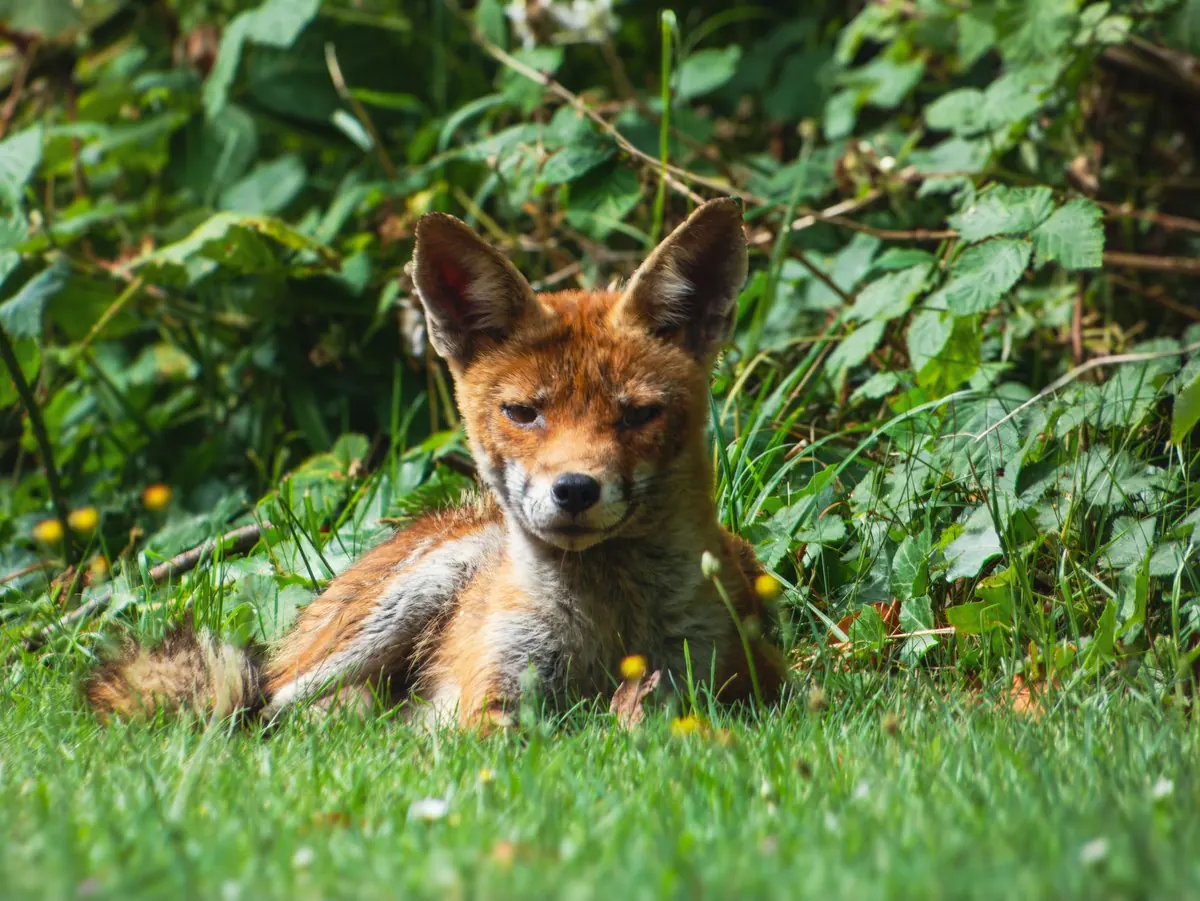
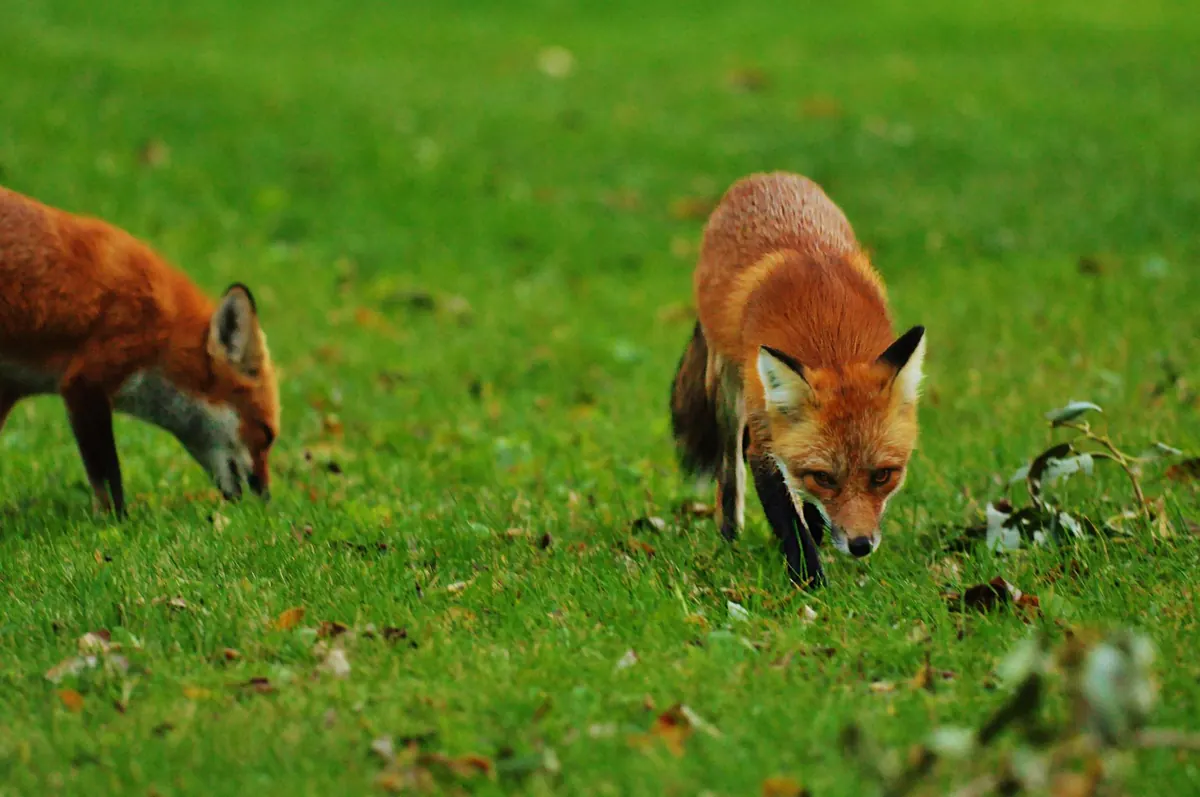
The red fox (Vulpes vulpes) is a lanky animal. Adults in Britain are roughly the size of a small-to-medium dog: a body of about 60–70 cm, a brush that adds another 40 cm behind it, and a weight usually between 5 and 8 kg. The legs are long, the muzzle pointed and the ears large and triangular. Everything about that shape says runner and listener — good for trotting across fields, clearing a garden fence and pinpointing a mouse moving under the leaf litter.
The arctic fox (Vulpes lagopus) looks like the same animal designed by someone who never had to worry about overheating. Short legs, a squat rounded body, small rounded ears and a stubby muzzle. Weight is generally around 3–4 kg, closer to a big cat than a dog. Compact shapes lose less heat, and small ears are less vulnerable to frostbite. Its scientific name means "hare-footed", because the soles of its feet are furred — useful for insulation and for grip on ice, and something the red fox simply does not have.
A red fox is russet, orange-brown or quite pale; the belly and throat are white or grey, the lower legs black, and the tail ends in white. It moults twice a year but never stops looking like a red fox — the winter coat is just thicker and glossier. Britain also produces the occasional black or silver fox, which is a natural colour variation rather than a different species. If you see one, you have found a lucky coincidence, not a new arrival.
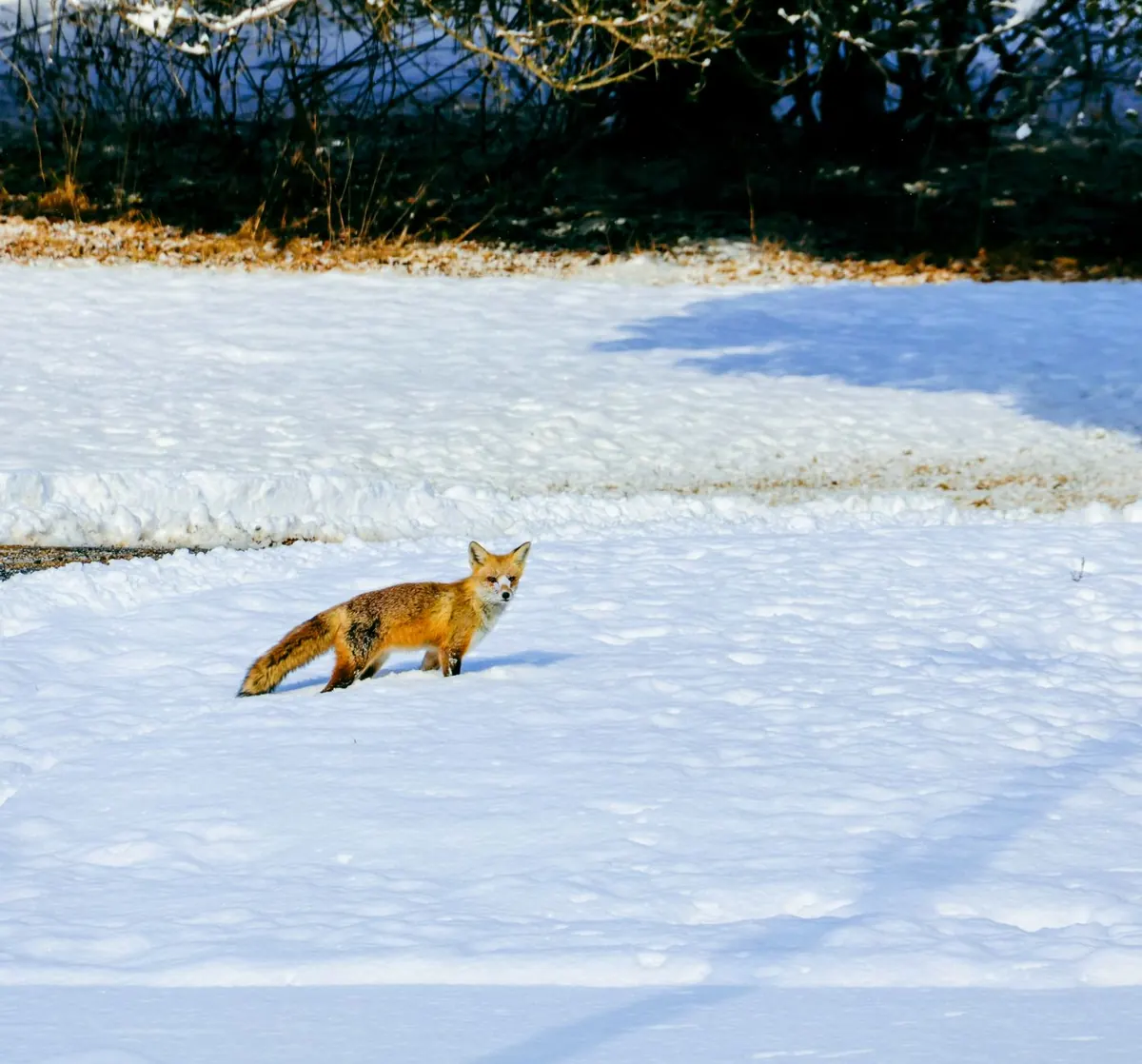
Arctic foxes come in two forms. The white morph is brownish-grey in summer and pure white in winter, which is about as good as camouflage gets against snow. The blue morph stays dark throughout the year, a brown-grey that takes on a bluer tone in winter, and it is commoner in coastal and island populations such as Iceland's. Arctic fox fur is exceptionally dense, with a thick underfur that traps air close to the skin. In summer, though, an arctic fox can look surprisingly scruffy, and a red fox living far north can look surprisingly pale — which is why field identification should never rest on colour alone.
The red fox has the widest natural distribution of any terrestrial carnivore, found across Europe, Asia, North America, North Africa and, thanks to human introduction, Australia. In the UK it is everywhere: city centres, suburbia, farmland, woodland, moorland and even the occasional beach. A fox in a Glasgow back garden and a fox on a Sussex down are the same species, just using different opportunities. Arctic foxes, by contrast, are creatures of the circumpolar Arctic: tundra, sea ice, coastal cliffs and islands across Greenland, Iceland, Svalbard, northern Canada, Alaska, Russia and Scandinavia. They can travel enormous distances over pack ice in winter, sometimes following polar bears to scavenge seal carcasses. There are no wild arctic foxes in the UK. The nearest wild population is in Iceland, and even there the species is carefully monitored. If you want to see one in Britain, you need a wildlife park or zoo rather than a midnight walk.
Red foxes are opportunistic omnivores. In the UK their diet swings with whatever is easiest: field voles and mice, rabbits, birds, eggs, beetles, earthworms, berries, fruit, discarded chips, pet food and bin contents. They cache surplus food under leaves or snow, and urban foxes quickly learn which streets put the bins out on which day. That flexibility is why they thrive alongside us. Arctic foxes are also opportunists, but their larder is different. Lemmings and voles form the core of the diet in many areas, with birds, eggs, fish, marine invertebrates and carrion filling the gaps. In winter they may follow polar bears onto sea ice, eating scraps from seal kills. They also cache food in permafrost, returning to it weeks later. Both species hunt by listening for movement under snow or soil, then pouncing — a behaviour sometimes called mousing. A red fox's pounce is a high, arcing leap; an arctic fox's is lower and more compact, which makes sense when you are built for heat retention rather than reach.
Red foxes are often described as solitary, but the truth is more flexible. In rural areas they live in family groups centred on a den, with a dominant vixen and dog and subordinate adults or older cubs. In towns, territories can be tiny, and several foxes may share a garden circuit without obvious conflict. The famous winter screaming is mostly the vixen's mating call, though dogs and cubs make plenty of noise too. Arctic foxes are more social in some populations, forming monogamous pairs or small groups that share a complex den system, sometimes used for generations. Their vocalisations include barks, growls and a distinctive screech. Both species use scent marking, but the arctic fox's messages are written in a landscape where smells linger less in the cold — another reason direct encounters and calls matter more.
The red fox is classified as Least Concern globally and is actually increasing in many urban parts of the UK. That does not make life easy: road traffic, snares, hunting, disease such as sarcoptic mange and deliberate persecution all take a toll. The arctic fox is also Least Concern as a species, but several populations are in trouble. In Scandinavia, the arctic fox is endangered, and conservationists run feeding stations and breeding programmes to help it recover. The biggest long-term threat is climate change. As the tundra warms, red foxes move north and compete with arctic foxes for food and dens; they may even prey on arctic fox cubs. For UK readers, this is a remote but important link: the fox in your garden and the fox on the ice are connected by a shifting climate that favours the generalist over the specialist.
If you see a fox in Britain, it is a red fox. That is true even if it is black, silver, pale ginger or very grey. The key features are the long legs, large triangular ears, pointed muzzle and long brush with a white tip. Arctic foxes have short legs, small rounded ears, a stubby muzzle and a shorter, denser tail. They also have furred soles, which you will never see on a British red fox. The only realistic ways to see an arctic fox in the UK are at wildlife parks, zoos or specialist collections. Some places, such as the Highland Wildlife Park in Scotland, have enclosures that mimic tundra conditions, but they are not wild animals. If someone claims a wild arctic fox is living on a British moor, treat it as either a misidentified pale red fox or an escaped captive animal, not an established population.
Quick rule of thumb: long legs and big ears mean red fox. Short legs, small ears and a round body mean arctic fox. If you are in the UK and it is wild, it is almost certainly a red fox.
The red fox and arctic fox are a neat lesson in adaptation. The red fox's long legs, big ears and flexible diet make it a superb generalist, able to live from a Devon hedge to a Manchester alley. The arctic fox's compact body, small ears and furred feet make it a specialist for extreme cold, but they also make it vulnerable when its habitat changes. For UK readers, the practical takeaway is simple: enjoy the red foxes around you, respect them as wild animals, and if you want to see an arctic fox, visit a reputable wildlife collection rather than expecting one on the next frosty morning.