Trending

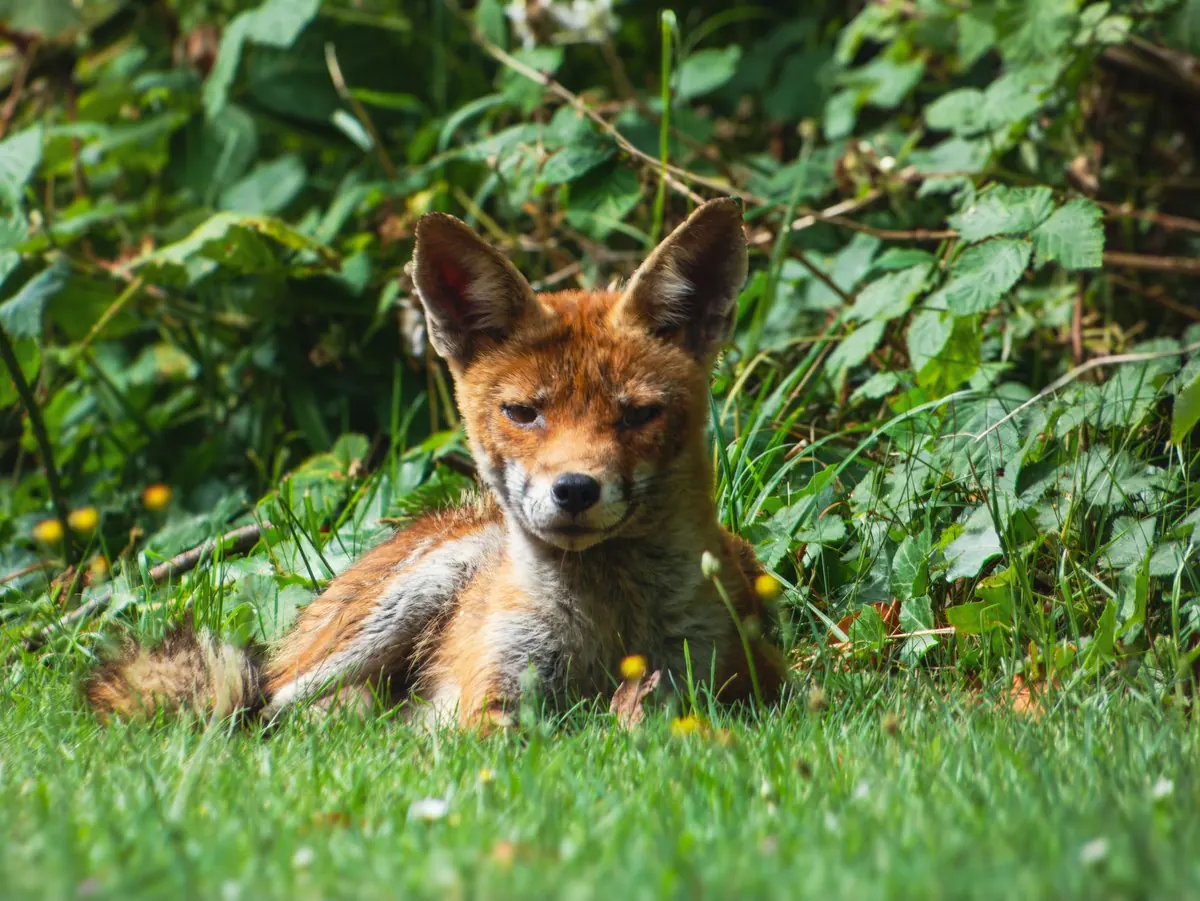
Most of us have looked out of the kitchen window at dusk and seen it: a fox trotting along the fence line while next door's cat watches from the shed roof. Two predators, one small patch of suburban Britain, and — almost always — no drama at all. Foxes and cats have been sharing gardens here for decades, and for the most part they have worked out an arrangement. Problems start in specific places: round the food bowl, and wherever an animal has decided to sleep. Get those two things right and you will rarely have anything to worry about.
An adult cat is not easy prey. It is quick, armed with claws, and willing to stand its ground, and a fox knows it. Most encounters are brief and undramatic: a stare, a slow retreat, occasionally a sharp swipe and a yelp. Foxes are opportunists rather than fighters, and a healthy adult cat is more trouble than it is worth. In practice, the cat usually comes off best.
The genuine risks sit at the edges. Small kittens, elderly cats and cats that are ill or cornered are more vulnerable. A fox that has grown used to people — fed in gardens, unbothered by humans — loses some of its natural caution, and that is when a standoff can turn into something more serious. Foxes also see cats as competitors for food, which is why a cat fed outdoors is far more likely to have a run-in than one fed indoors.
Conflict rarely happens at random. In most gardens it comes down to three things:
If you do one thing after reading this, do this: stop leaving cat food outside overnight.
A bowl of cat food is the highest-value item in any fox's evening. Foxes are not fussy, and they will return night after night to a reliable supply. That brings them into the cat's space, closer than either animal would choose, and it encourages exactly the bold behaviour that leads to trouble.
Some people deliberately feed foxes, which is understandable. It is also the quickest way to create a fox that has lost its wariness of people and pets. If you enjoy watching them, watch — but let them find their own dinner.
Give your cat somewhere high to sit. A sturdy fence, a shed roof, a wall, a windowsill, a purpose-built perch — height is a cat's best defence and its favourite place from which to watch a fox walk past. Frightened cats go up; cats with nowhere to go run, and that is when accidents happen.
At ground level, check what is happening under your shed or decking. Foxes use these gaps as dens, particularly in spring and early summer when cubs are about. Blocking a gap discourages this, but timing matters: check carefully for cubs first, and do not seal an entrance between spring and late summer in case you trap animals inside. If you are unsure, leave it until autumn.
Cat flaps are a common weak spot. A microchip-reading flap is the straightforward answer, and keeping your cat in at night through the breeding season removes most of the risk at a stroke. Rabbits, guinea pigs and chickens need properly secured housing with sturdy wire rather than flimsy mesh — foxes are strong, patient, and remarkably good at lifting a lid.
Boldness is learned. A fox that finds food, shelter and no consequences becomes confident, and that is when it may start staring down a cat or following it across the lawn. Make the garden unremarkable again:
Fox faeces can carry roundworm, which matters most where children play or where you grow vegetables you eat raw. Wear gloves, bag the mess, bin it and wash your hands. Keep cats and dogs up to date with worming treatment, and ask your vet about the right schedule rather than guessing. Do not handle foxes or their cubs. If a fox looks thin, mangy or unsteady, leave it alone and call a wildlife rescue. For anything concerning your own pet's health, your vet is the person to ask.
Put the bowls away, lid the bin, glance under the shed, and let the cat in. That is the whole of it, and it takes two minutes. Foxes and cats are not natural enemies; they are two adaptable animals sharing limited space, and almost all the friction between them comes down to food and shelter that people have left out. Manage those, give your cat a high place to retreat to, and you can enjoy the fox without fretting about the cat.
Photo: Jimmyk photos / Pexels