Trending


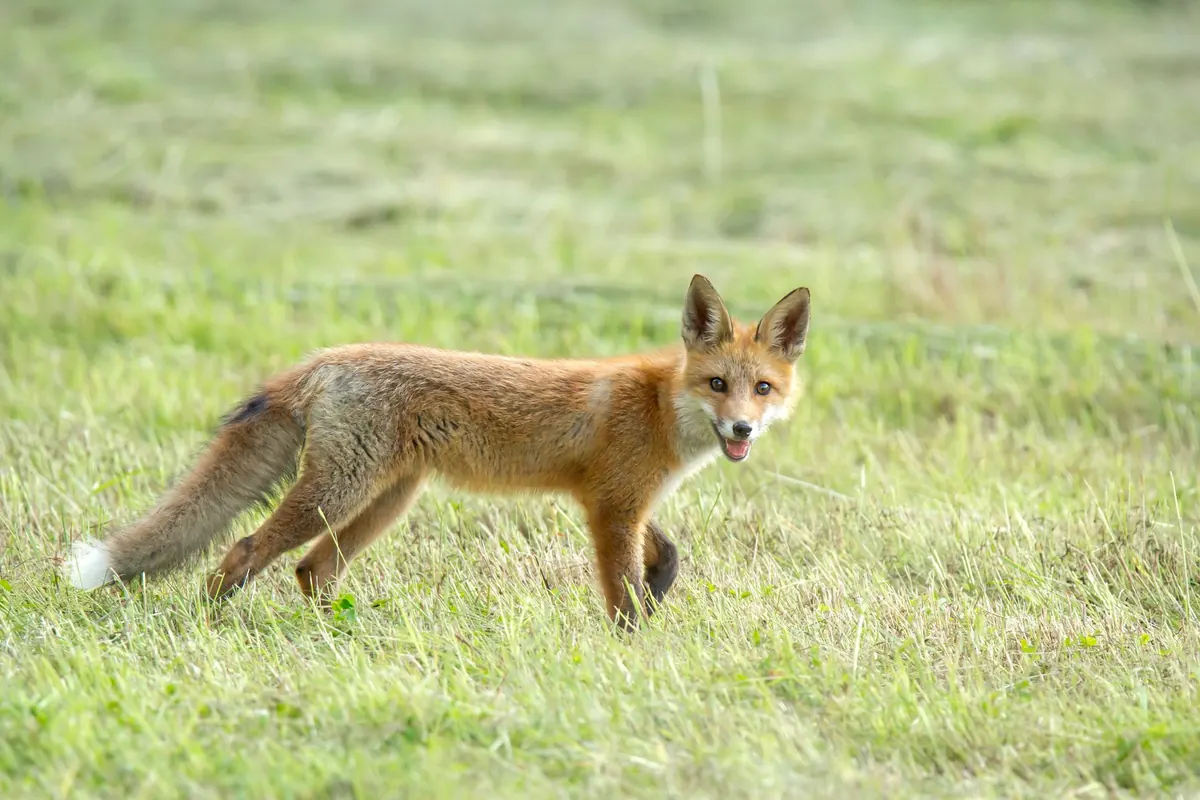
A healthy urban fox is a tidy, alert animal with a full brush and a brisk walk. So when one turns up scruffy, thin and slow, it is natural to wonder whether something is wrong — and whether you should do anything about it. The skill lies in telling apart the signs that matter from the messy business of moulting or a hard winter, and knowing when a phone call is the right move.
Give yourself a proper look at the animal before you decide anything. Binoculars, a zoom lens or a clear window will tell you far more than a glance from the back door. Foxes are creatures of habit, so if you see the same individual at roughly the same times, you have a useful baseline. A fox that appears at eight o'clock each evening and trots off with a confident gait is probably fine, even if its coat looks rough in July.
Do not corner, catch or handle a fox. Even a very sick one can bite when frightened, and a bite means a trip to A&E for a tetanus check and antibiotics. Keep dogs and cats indoors while the fox is around.
Foxes moult, and they do it badly. From roughly spring to late summer, a healthy fox can look moth-eaten — patchy, tufty, with a thin tail. That is normal.
Mange looks different. It is caused by a mite that burrows into the skin, and it usually starts around the tail base, rump and hind legs before creeping forward. Look for:
Mange is treatable, but only by someone who knows what they are doing. Never buy or give medication yourself: dosing a wild animal with the wrong product or the wrong amount can kill it. Report what you have seen and let a rescue decide.
A starving fox is not simply slim. Healthy foxes are lean and leggy under all that fur, whereas an emaciated one looks angular and hollow. Check for a visible spine and hip bones, a deep dip behind the ribs, and dull, sunken eyes. The coat often looks dry and staring rather than glossy, and the animal may sit down after a few steps instead of trotting.
A starving fox can also be unusually bold, eating scraps in broad daylight, hanging round bins and ignoring people far more than it should. If a fox is eating well and still losing condition, that points towards disease or a heavy parasite burden rather than simple lack of food.
Limping is the most obvious sign. Watch how the fox walks: is it favouring a front or back leg, holding a paw off the ground, or dragging a limb? A slight limp that eases over a day or two often settles on its own. A leg held up completely, or set at a strange angle, will not. Also look for fresh blood, a wound that is dark and weeping, or one crawling with flies — flystrike needs urgent help. A torn ear or a scraped nose is common after fights and usually nothing to worry about. So is a tail missing its end, though a tail that hangs oddly may mean a break.
If a fox is lying at the roadside, panting hard or unable to stand, treat it as a road collision and call for help straight away.
Foxes with distemper or other neurological problems often behave strangely before their bodies give anything away. Warning signs include a head tilt, circling, fitting, wobbling as though drunk, a vacant stare, or thick discharge from the eyes and nose. A wild fox that lets you walk right up to it, or that seems to be asleep in the open in daylight, is usually very unwell rather than friendly.
One caveat is worth remembering: daylight activity on its own is not a sign of illness. In summer, vixens with cubs are out at all hours, and urban foxes are relaxed around people by nature.
Contact a wildlife rescue, the RSPCA in England and Wales, the SSPCA in Scotland or the USPCA in Northern Ireland if you see:
Give the call handler the location, the time and a plain description of what you saw; a postcode or a what3words reference saves everyone time. If you can photograph the fox from a safe distance without delaying the call, do. For anything specific to the animal in front of you, a wildlife rescue or a vet is the right person to ask — not a forum or a neighbour.
Keep children, dogs and cats indoors, and draw the curtains if the fox is being stressed by attention. Put out a shallow bowl of water — never milk, which upsets a fox's stomach — and avoid leaving food that will attract rats. Do not attempt to catch the animal.
If you have already confined a fox in an emergency, keep it dark, quiet and warm, offer no food, and get it to a rescue as quickly as you can. And if you are simply unsure — a fox that seems a bit off but shows no clear signs — ring a wildlife helpline anyway. A short conversation with someone who deals with local fox cases is usually the quickest way to settle the question.
Photo: Yvon Gallant / Pexels