Trending

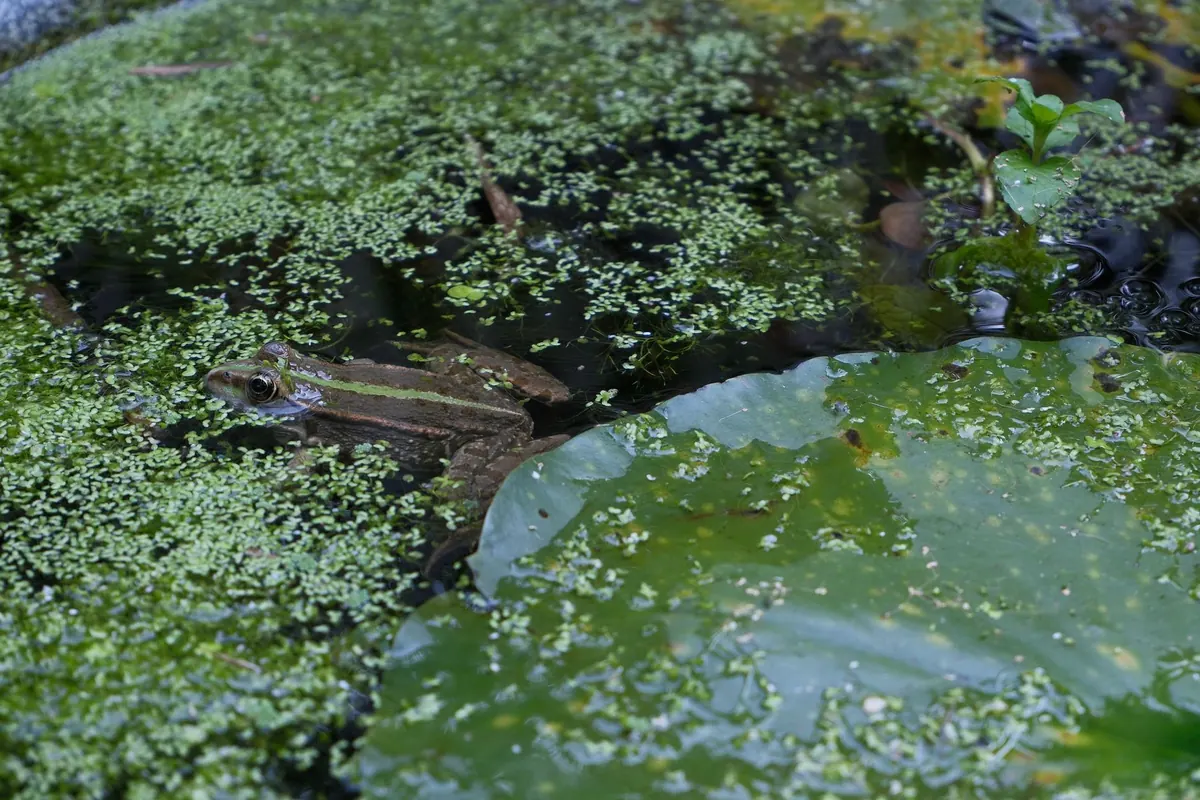
A fox on the lawn at dusk is one of the easiest wildlife encounters you can have in Britain, and one of the most argued about. Some gardeners take it as proof their patch is alive; others see a flattened flowerbed and a mess on the path. You can have the first without much of the second. Foxes need water, cover and food, and you can provide the first two generously while quietly declining to become their canteen.
Fox-friendly is not the same as fox-tame. A garden that supports foxes gives them somewhere to drink, shelter and hunt invertebrates without teaching them that people equal dinner. Hand-fed foxes are the ones that cause trouble: they lose their wariness of roads, dig up lawns hunting for cached food, and start treating sheds and decking as theirs. Decide your boundaries early. Leave one corner rough, keep the vegetable beds working, and accept that a little digging comes with the territory.
A shallow bowl of fresh water at ground level is worth more to a fox than any amount of food, especially from late spring through summer. Use a wide, heavy bowl that won't blow over, sink it slightly into a border, and drop a stone inside as a step for cubs and hedgehogs. Refresh it daily in warm weather; a stagnant bowl breeds mosquitoes and spreads disease.
If you have a pond, give animals a way out. Straight-sided ponds trap foxes, hedgehogs and frogs. Build a gently sloping edge, or stack stones or rough timber from the water up to the bank. Loose netting tangles feet and wings, so if you must net a pond, keep it taut and check it daily. A wildlife pond with native marginals suits foxes well, because the frogs and beetles it attracts are part of their natural diet.
Never put out milk or bread. Foxes cannot digest milk properly, and bread has no value to them. Water is what they need.
Foxes will sleep in the open under a bush, but they look for something secure in late winter when they breed. Cubs usually arrive in spring, so if you don't want a family under the shed, act before then.
If you'd rather not share a den, check gaps under sheds, decking, garages and summerhouses in late winter. Block them with sturdy galvanised mesh dug about 30 cm into the ground so it cannot be pushed aside, and leave a gap elsewhere in the garden as a compromise. Never seal an entrance between spring and late summer without checking nothing is inside. Listen for cubs, look for fresh tracks and flatten a little soil at the entrance to see whether anything crosses it overnight.
Foxes are opportunists. Their diet leans heavily on earthworms, beetles, slugs, voles, mice, birds, berries and fallen fruit, so the most effective way to help them is to garden for the creatures underneath them. Native planting does that job with almost no maintenance once it is established:
Leave seed heads standing through winter, and clear fallen fruit if it starts drawing wasps or rats. Avoid slug pellets and broad-spectrum garden chemicals; they move up the food chain and can harm the very birds and mammals you were hoping to attract.
You don't need to, and most wildlife organisations would rather you didn't. If you do, keep it occasional and dull: a small amount of dog food or meat scraps in a dish, put out after dusk and cleared away within the hour. Never hand-feed, never leave food out overnight, and stop altogether if a fox starts approaching people, following you or waiting by the back door. Leftovers left out overnight attract rats and gulls, and turn a wildlife sighting into a pest problem.
Most complaints about urban foxes come down to food and access. A few habits cover almost all of it:
You may also hear plenty of screaming and barking between December and February. That is courtship, it is temporary, and nothing is wrong.
Enjoy foxes from a distance. They are wild animals, they can carry mange and intestinal parasites, and they should never be handled or encouraged to take food from your hand. Wash your hands after gardening, wear gloves when clearing up, and keep your pets' worming routine up to date on your vet's advice. If children play in the garden, keep sandpits covered when not in use and clear any droppings promptly. Where health questions arise, speak to your GP or vet rather than guessing.
If you find a sick or injured fox, don't try to catch it yourself. Contact a local wildlife rescue for guidance. A fox with patchy fur and a thin, bald tail often has mange, which is treatable with the right care — but that care is not a job for a garden spade and good intentions.
Start small. A bowl of water and one scruffy corner left alone will do more than a designed wildlife garden nobody maintains. Add a native hedge the next time you plant something, keep food and bins under control, and check your outbuildings before spring. That combination gives you the dusk visits, the cubs on the lawn in early summer and frogs in the pond — without the midnight bin raids.
Photo: Tess h. / Pexels