Trending


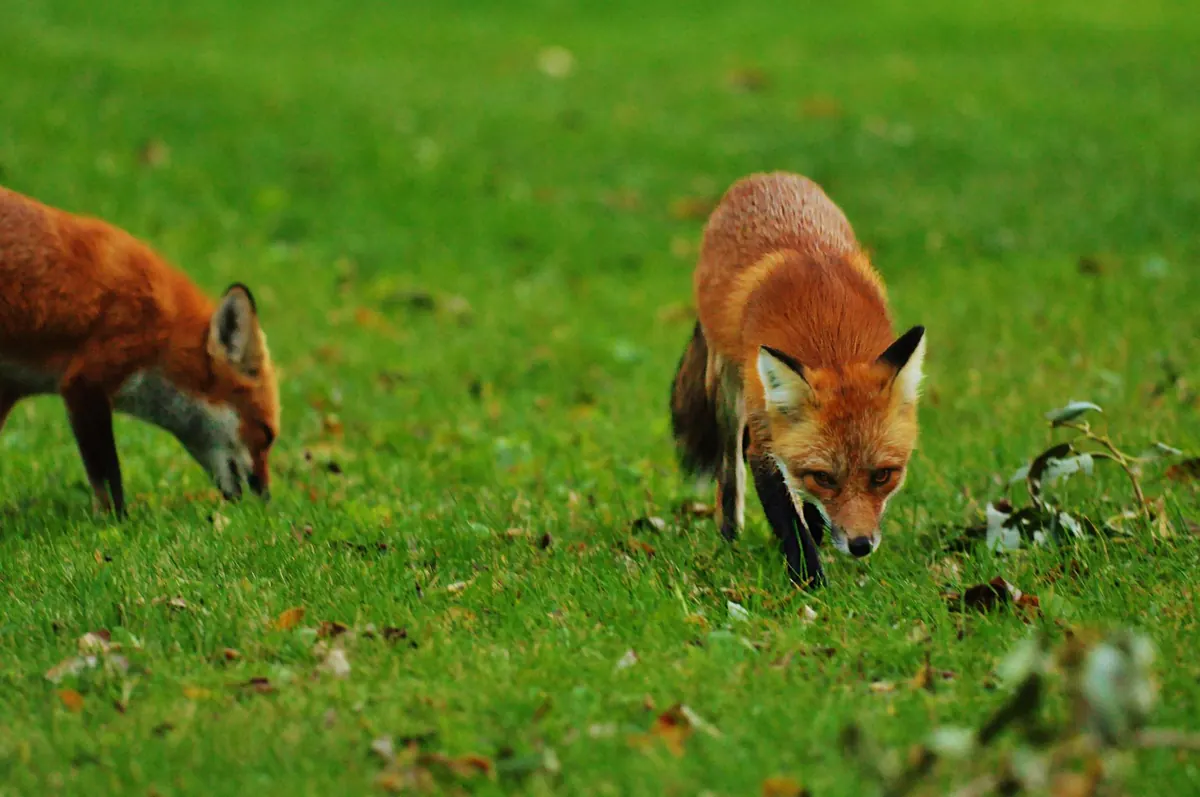
Foxes are adaptable, quiet and bold, and a garden with shelter, water and an easy meal is exactly what they are looking for. Once a fox finds a reliable food source, it will keep coming back. The aim is not to drive wildlife out of the neighbourhood, but to make your patch the least interesting one on the street.
Foxes are opportunists. In towns and suburbs they live at high densities, and a single animal may pass through half a dozen gardens in a night. Four things draw them in: food, shelter, water and a quiet route in and out.
Look at what your garden offers. Bird seed scattered under a feeder, a compost heap with kitchen scraps, bin bags stacked by the back door, windfall apples in October, a bowl of cat food left on the patio. Any of those is a reliable meal. Add a gap beneath the shed and you have somewhere dry to rest or raise cubs.
Less reward, less reason to visit. Most fox problems shrink when you change the garden rather than the fox.
Before you buy anything, walk the garden at dusk, ideally after rain when scents linger. Read it as a fox would, and note:
The first two or three fixes are usually obvious and free. Droppings left on paths, walls and planters are scent-marking, not evidence of a den. Neat holes with freshly dug soil are more likely to be grubbing or food caching than a residence.
The single most effective change is to stop feeding foxes by accident.
Foxes dig for three reasons: to reach worms and lawn grubs, especially in late summer and autumn; to cache food; and to burn off energy, particularly young cubs at play. If your lawn is being torn up, ask which one applies before spending money.
Grub damage tends to appear as turf rolled back like carpet, often in dry spells. Improving the lawn's condition and dealing with the grubs, with advice from a garden centre or lawn professional, removes the attraction.
Deterrents have a place, but none works forever. Ultrasonic units, motion-activated lights and sprinklers, and scent products all rely on novelty, so move them every week or two. Commercial repellents need rotating, and home remedies such as citrus peel or chilli need reapplying after rain. A quick spray from a hose when you spot a fox is humane, legal and surprisingly effective in the short term.
Vixens den in spring to raise cubs, usually from March into summer, and a sheltered gap beneath a shed, decking or outbuilding is ideal. If cubs are present, sealing the hole is the worst thing you can do, because you risk trapping animals inside.
The simplest approach is patience. The family usually moves on once the cubs are mobile, often within a few weeks. Watch for comings and goings, and only block the entrance once you are confident it is empty. Block it gradually, starting with soft material, so nothing can be trapped behind it.
If you cannot wait, gentle disturbance near the entrance, repeated over several days, usually persuades a vixen to move her cubs. If you are unsure, ask a wildlife charity or your local council before acting.
One important exception: a large hole with a big fan of excavated soil outside and tunnels running underneath is likely to be a badger sett. Setts are legally protected, so stop and take advice before going anywhere near it.
Foxes are not a protected species in the UK in the way badgers or bats are, and you are entitled to deter them from your own garden. What you cannot
Photo: zoosnow / Pexels