Trending

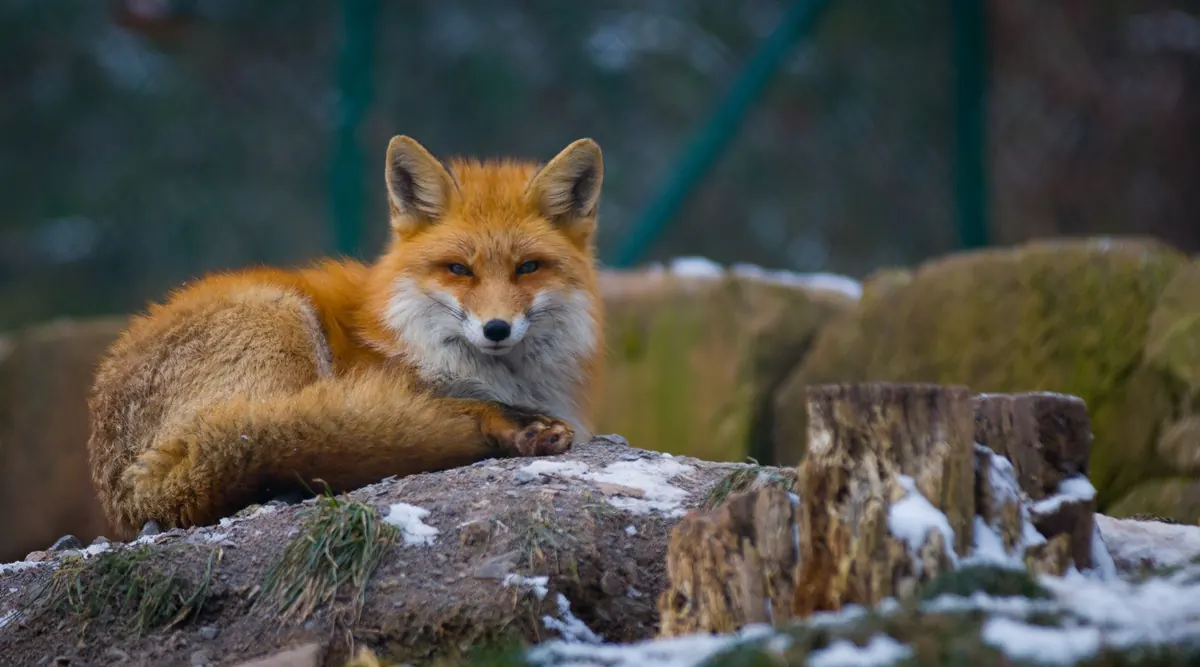
Foxes visit gardens for one straightforward reason: the food is easy. A bowl left out, a bin bag that splits, a bird feeder dropping seed — all of it is a reliable meal for an animal that has learned to live alongside us. Feeding a visiting fox can be a genuinely rewarding thing to do, and plenty of people in towns and suburbs get real pleasure from it. But a lot of well-meant habits do harm: the wrong foods, the wrong quantities, and a routine that slowly turns a wild animal into a dependent one. Avoiding the common mistakes is not complicated, and it mostly comes down to a handful of choices.
Foxes are opportunistic omnivores. In Britain their natural diet shifts with the seasons: earthworms and beetles, small rodents, birds, fallen fruit, carrion and whatever they can scavenge. Their digestion copes with a wide range of food, which is exactly why a fox will happily eat things it shouldn't. Being able to eat something is not the same as thriving on it.
The other half of the problem is concentration. A fox that finds one dependable bowl every evening will come back every evening. If that bowl is poor quality, you are effectively keeping an animal on a bad diet, and you are doing it in a spot where it will meet cars, dogs and people who may not welcome it.
Most of the harmful items are things we consider normal human food. None of them belong in a fox's bowl:
If you are unsure about an item, leave it out. Withholding food that would make an animal ill is not unkind.
Bread is the single most common thing people put out for foxes, usually because it is cheap and always in the cupboard. It is also mostly empty calories: it fills a fox up while giving it very little, and large amounts can leave it bloated and uncomfortable. Milk is worse, and the two together — the classic doorstep supper — are about as far from a fox's natural diet as you can get.
Water is a different matter entirely. A shallow bowl of fresh water, refilled daily, is genuinely useful in hot spells and hard frosts, and it carries almost no downside. If you do nothing else for the foxes in your area, do that.
Foxes learn routines fast. Feed at the same time each evening and you will soon have a fox waiting at the same spot, sometimes sitting at the back door. That may feel like friendship, but the consequences are practical. A fox that has lost its wariness of people is far more likely to be hit on a road, to be reported as a nuisance, or to be injured by a dog or a person who panics.
Concentrating foxes in one garden also concentrates disease. Mange spreads easily where animals meet repeatedly, and a crowded feeding spot increases the chances of fights and injuries. Well-fed vixens may also be in better condition to raise more cubs, which is not automatically good news for the foxes, your neighbours or your lawn.
The rule is simple: feed, don't tame. Put food down and step back. Don't hand-feed, don't try to stroke a fox, don't encourage one inside the house, and don't keep feeding through the winter months on the assumption that it will starve without you. Foxes are wild animals and are very good at finding food.
Fox droppings can carry parasites and bacteria that affect people and pets, and a messy feeding station makes the problem worse. A few habits make a real difference:
If you become unwell after handling wildlife or contaminated soil, speak to a GP rather than trying to work it out yourself. Foxes that look thin, bald, lethargic or lame need a wildlife rescue, not home treatment. Never put medicated food out for a wild animal.
A bowl of food on your patio is visible from several gardens. Rats are the most common complaint, but you may also attract cats, gulls, magpies and mice, and foxes crossing neighbouring plots can dig, foul and call through the night during the winter mating season. If you have close neighbours, a quiet word costs nothing. Check your tenancy agreement or lease too — some landlords and managing agents restrict feeding wildlife, and it is better to know before someone raises it with you.
Position the food away from bird feeders, nest boxes and your house, and avoid leaving anything out where foxes have to cross a road to reach it.
Feeding foxes well is mostly about restraint. Give them water, a small and sensible bite if you must, and enough space to remain the wild animal they are. That is better for the fox, better for your pets, and much easier to live with next door.
Photo: Niklas Lang / Pexels